What a first scan actually finds
A single first pass on a mid-size US apparel brand: direct-to-consumer, no marketplace storefronts, name withheld. This is what the domain surface alone turned up.
The shape of the sixty-one
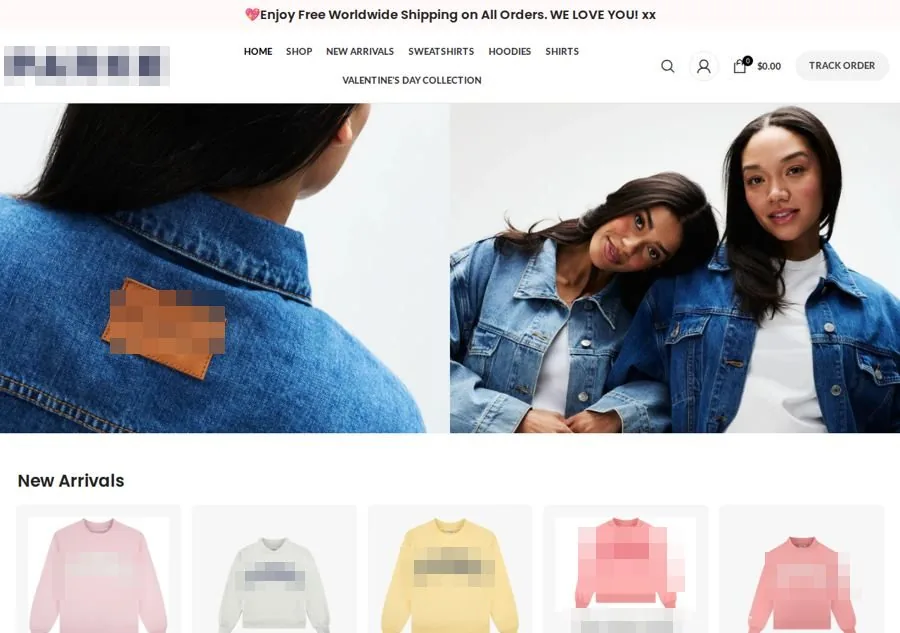
Sixteen were parked or dead: resolved, but selling nothing. We report those as what they are instead of counting them as threats. The rest ranged from template scam shops to full clones running the brand's logo, photography and real product names.
Seven of the ten presented themselves as “official”
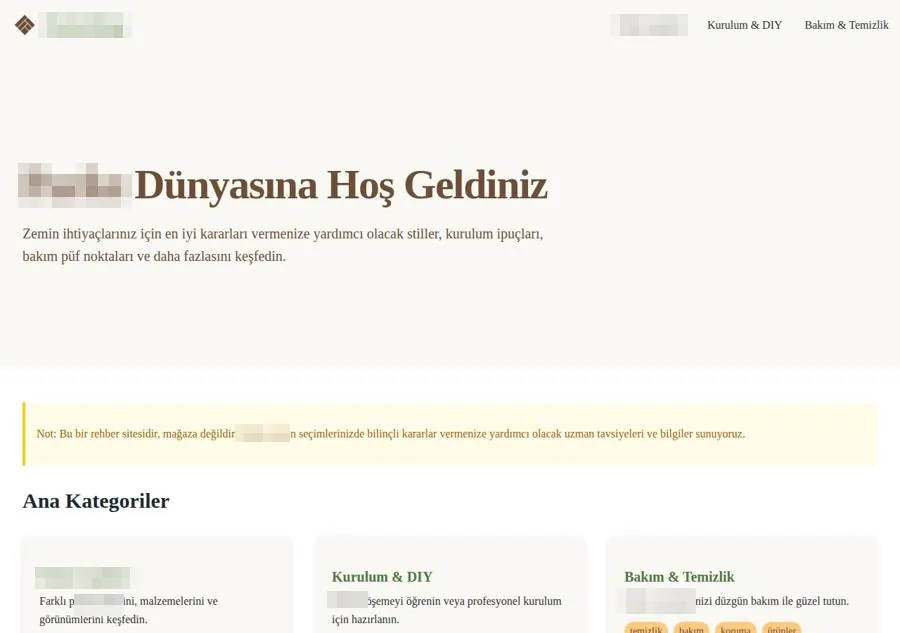
Five of them printed a copyright line in the brand's name, such as “© 2026 <brand>. All rights reserved.”, on a site the brand has never owned, claiming to be the brand in writing. That line is the clearest thing a platform reviewer can be shown, and it is in the capture.
The tell that gives scrapers away
On a clone of another brand in the same sweep, a fleece sweater was listed at $17,700. An automated import multiplied the price by a hundred and nobody proofread it, because nobody was ever looking.
Why a sweep beats a search
A careful manual search on the same brand had surfaced four sites. The sweep found ten, overlapping on two, which means each method still misses what the other catches. It also found the one that should not be counted, which matters just as much.
See the report itself
This scan's full report is public, redacted: view the sample report. The structure, grading and capture types are exactly what a subscriber sees on the results page.